


Taking the value of EVs further
Expanding Possibilities Through Energy: NITCO’s New Challenge
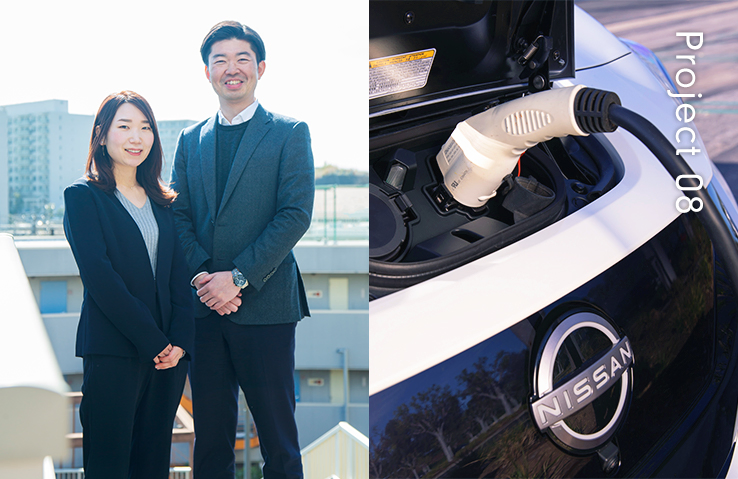
Yusuke Nakayama / Kenta Suzuki / Yuzuki Baba
Chemicals and Energy Group Electric Power Team, Materials Division
- #CarbonNeutral
- #Environment
A car’s value is no longer defined by performance alone. The “next value” NITCO has set its sights on
As electric vehicles (EVs) become increasingly widespread, the value of a car can no longer be described by driving performance alone. How easy it is to charge, and what kind of electricity powers it. The era in which the full experience surrounding a car becomes a “reason to choose” it has already begun.
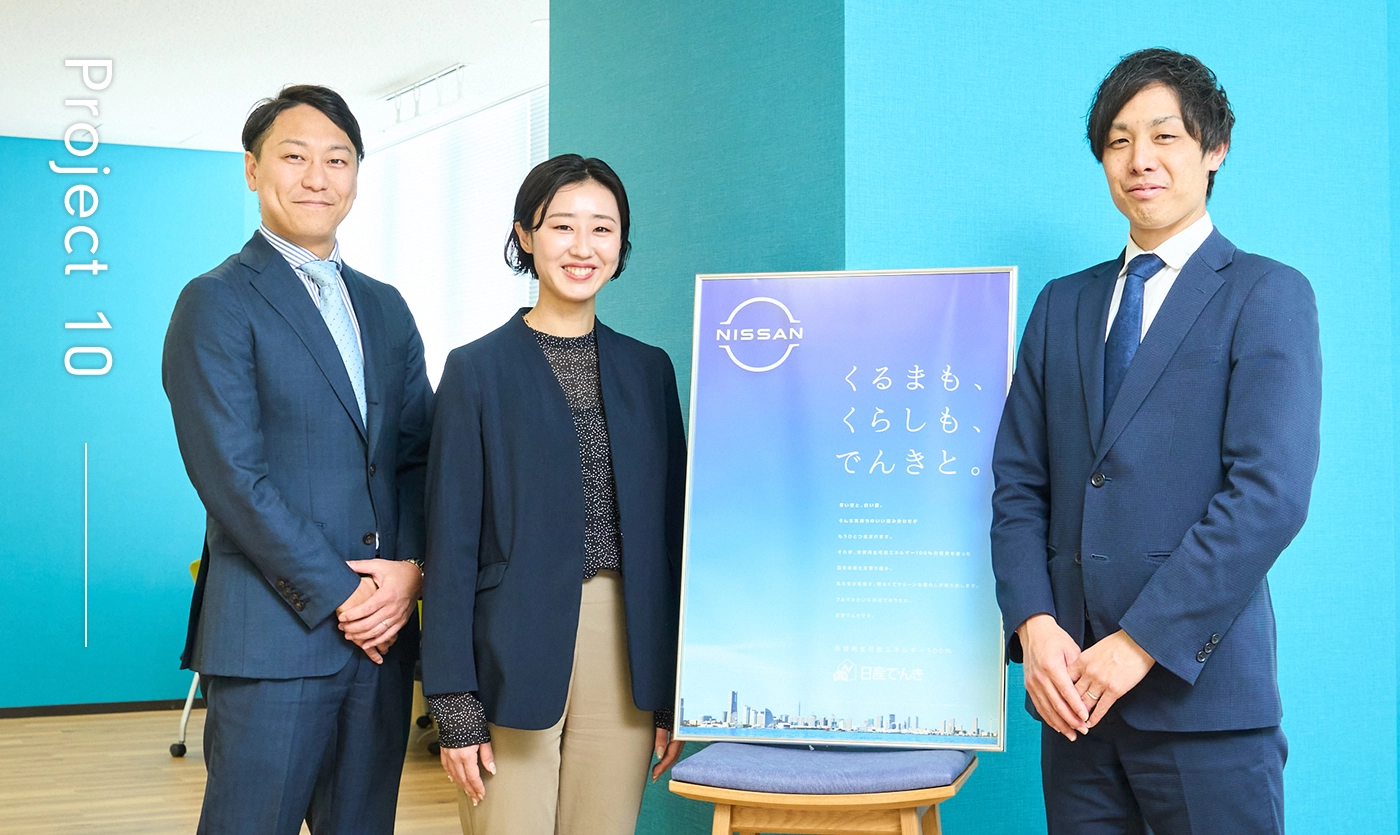
On the path to carbon neutrality, how we choose and use the energy in our daily lives has become just as important a theme as the evolution of mobility itself. Working in collaboration with Nissan Motor Co., Ltd., Nissan Trading (NITCO) has launched “Nissan Denki,” a residential power service that delivers effectively 100% renewable energy* to households across Japan (excluding Okinawa). (Nakayama)
-
*Note1Electricity generated through thermal power generation and similar sources is considered to constitute “100% effective renewable energy” once Non-Fossil Certificates (NFCs) representing the value of renewable energy have been attached to it.
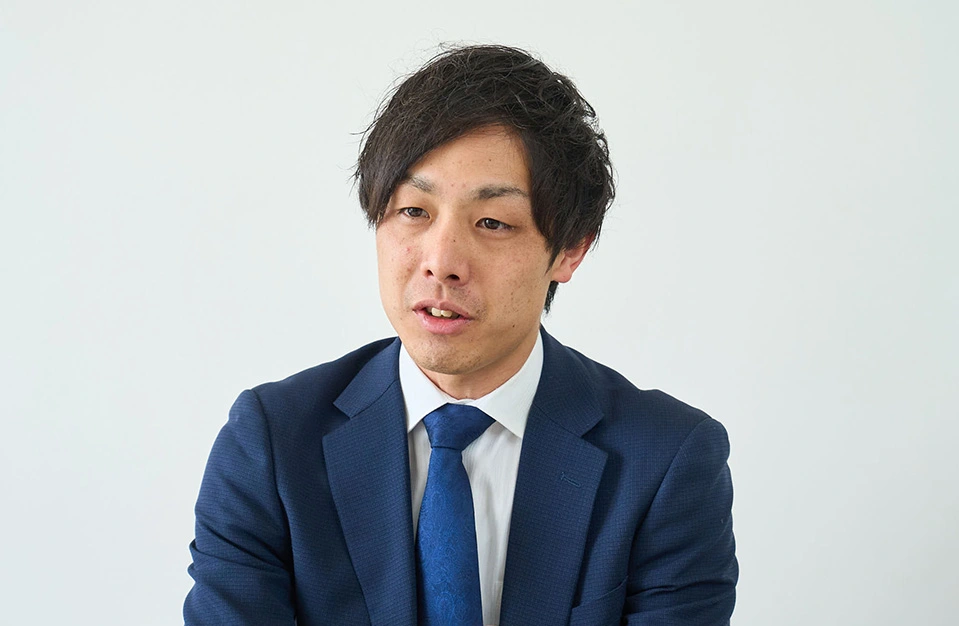
Building on a B2B track record to move into B2C: the journey to nationwide rollout
The starting point of this challenge lies in the track record that Nissan Trading has built up over many years of supplying electricity. We have been supplying power to corporate clients such as factories and dealerships, steadily accumulating expertise in stable operations.
Drawing on that foundation, we began preparations for a general retail offering in 2022. We started with a pilot sale to employees, working through the process step by step to identify how to make the service easy to understand and where operational improvements were needed. Having completed this testing phase, we launched the service, which now covers the whole of Japan excluding Okinawa. (Suzuki)
For Nissan Trading, which had long operated primarily in the B2B (business-to-business) space, moving into B2C (business-to-consumer) was a major turning point. The more EVs spread, the more important electricity itself becomes. Rather than treating cars and electricity as separate offerings, could we deliver value as a package? That thinking was the origin of the project. Riding the tailwinds of market deregulation in the power sector, we set out to build a new business model, one that brings cars and electricity together under the Nissan brand.
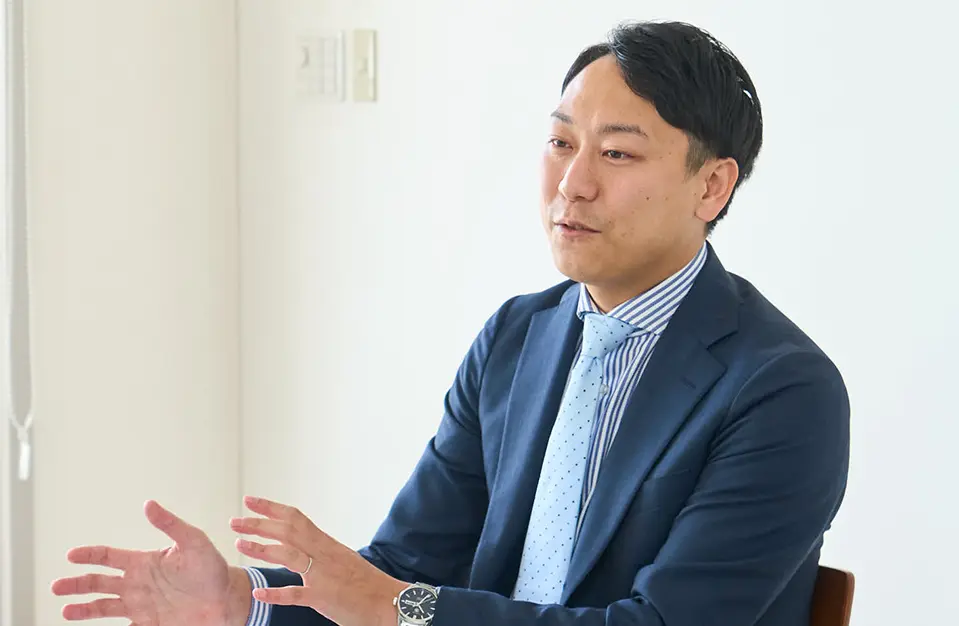
At the same time, B2C business came with a very different set of challenges from the trading company work we had done before. It was not simply a matter of changing who we were selling to. What mattered even more than the product itself was how customer value would be created, from the initial decision all the way through to ongoing use. (Nakayama)

Testing in-house first: a “start small, grow steadily” approach
In launching the B2C operation, the process the project placed most emphasis on was “actually use it, then improve it.” Choosing our own employees as the first rollout audience was a practical first step toward refining the service to a high level of quality.
Testing it internally revealed issues that would not have been visible from a desk: confusion caused by a single turn of phrase, which steps in the process were easy to stumble over, and where the anxiety around making an enquiry came from. So we tested, adjusted, and tested again. Through the accumulation of improvements, we worked to sharpen the “ease of understanding for the everyday user.” (Suzuki)
Consumer-facing services come with a very different set of requirements from corporate services: customer handling including sign-ups and cancellations, enquiry pathways, nationwide operational design, and the management of personal data, to name just a few. Nissan Trading coordinated with internal and external stakeholders to put the necessary systems in place piece by piece, building the foundation for stable operations.
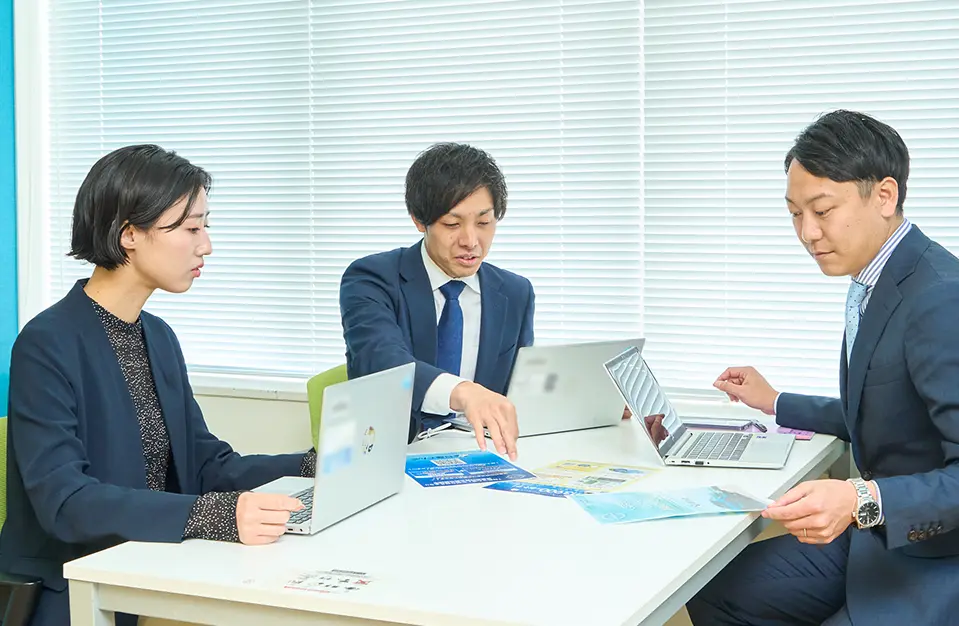
For instance, the online sign-up journey, the guidance provided before service activation, and the information made available for common enquiries all need to ensure that users feel neither confused nor anxious. Switching electricity providers is something many people are curious about but find hard to act on. That is precisely why careful attention to word choice and how information is presented is indispensable. Launching the website, updating the internal intranet blog, and producing leaflets were all handled through close collaboration with our contractors, systems partners, and everyone else involved, building knowledge and making improvements one step at a time. (Baba)


Building on the same wavelength as dealerships nationwide: a partnership to sharpen the sales proposition
The frontline for selling Nissan Denki is Nissan’s dealerships across Japan. Because electricity is a different kind of product from a car, getting the sales approach right becomes critical: how to frame a proposal, the order in which things are explained, and how to handle customers’ questions.
We held study sessions and surveys at locations around the country, continuously gathering feedback from the frontline and working to improve our proposal materials and key talking points. The stumbling blocks and awkward phrasings reported from the field are invaluable material for improvement. The accumulation of small adjustments has translated into a smoother sales experience and a greater sense of confidence among customers. Dealerships have begun to tell us: “We used to have to say, ‘Please ask the power company,’ but now we can pitch electricity as our own product.” We will continue building on each of these wins, supporting dealerships nationwide so they can sell Nissan Denki with confidence. (Suzuki)
Into the next phase of growth: building a future where EVs and electricity naturally go hand in hand
Nissan Denki is a service that supplies effectively 100% renewable energy, expanding the availability of environmentally conscious electricity choices to households across Japan. It also incorporates features designed to make it an easy choice, including perks and discounts for EV users and subscribers to Nissan’s charging services.
Throughout this journey, what we have held onto is not the idea of “selling electricity as something new,” but rather delivering, consistently and holistically, the value that the EV era demands, including every aspect of the experience that surrounds a car. Through electricity as a basic life utility, we want our customers’ lives with their cars to be more reassuring and more environmentally friendly. That is the goal we are working toward as we continue to improve the service. (Suzuki)
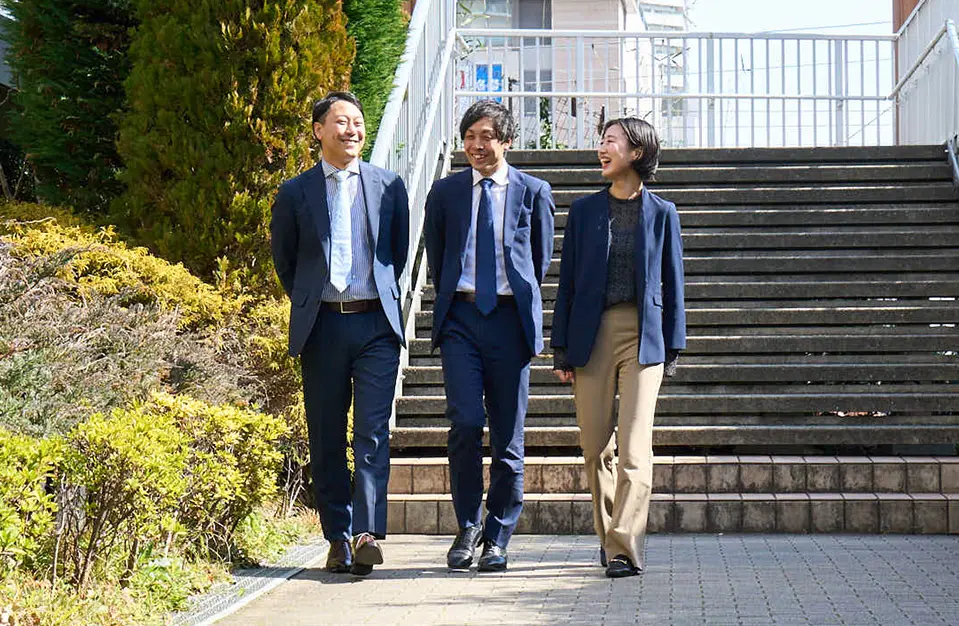
Even after launch, there is no shortage of things to do. Customers’ peace of mind is determined not just by service design but by operational stability, which means that precisely because we are in a growth phase, strengthening quality and our organizational setup becomes all the more important. Starting from the voices of those on the frontline, we continue to improve the service while working to deliver environmentally conscious electricity to more and more households.
What we are working toward is a world in which, whenever an EV is being proposed, electricity naturally appears alongside it as an option, one that customers can choose without a second thought. Making it completely natural for cars and electricity to be talked about as a pair. This challenge is only just beginning. (Nakayama)

Related Business Divisions
Material Business
For Nissan Motor and for the domestic and overseas plants and parts manufacturers of Alliance Group members Mitsubishi Motors and Renault, Nissan Trading contributes to improving the competitiveness of the Alliance Group and to achieving carbon neutrality through information management, environment-related businesses like material recycling and electricity sales, and through supply of automotive materials like steel products, raw materials, non-ferrous metals, and chemicals.